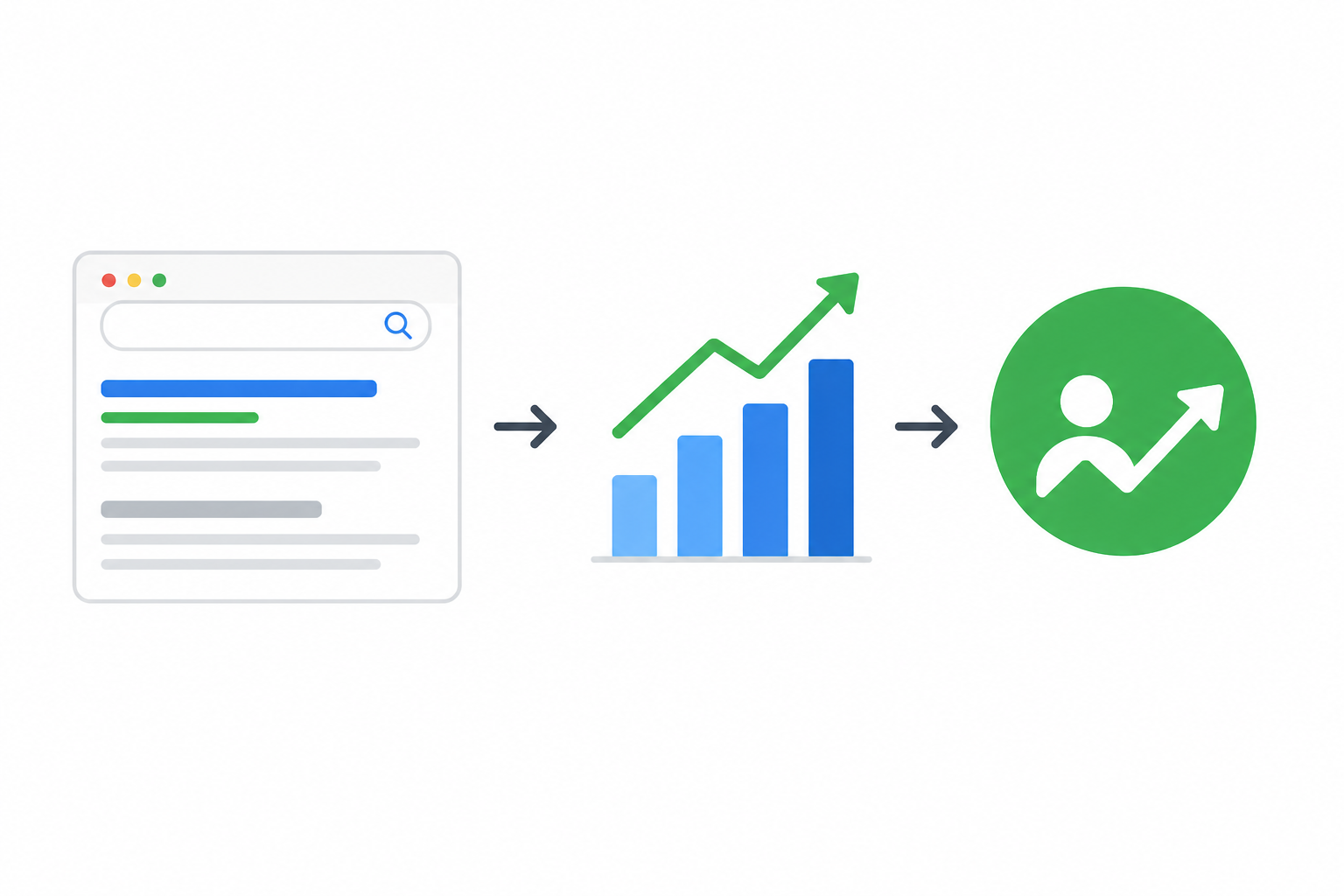
Why Do Some Websites Rank Higher Than Others?
Have you ever wondered why certain websites always show up first on Google while others seem impossible to find? Every time a search is made by a user, Google makes instant decisions to give that user the best possible experience on the platform. In that split second, your page is competing with millions of others to earn those precious top rankings at the top of the results page. There are several ways Google determines which pages to promote to the user. Understanding how search engines work is the first step to SEO and is exactly why some websites meet their goals while others fall short.
What Are Search Engines Actually Trying to Do?
Search engines, like Google, have three main goals. Every time a user presses the search button, they want to ensure they are providing the best answers to the request from trustworthy websites, to keep users coming back to their search engine.
Search engines aim to:
- Deliver the most relevant results
- Rank trustworthy and authoritative content
- Provide a fast & helpful user experience
In a world focused on instant gratification, giving a user exactly what they are looking for as quickly as possible must be a priority, and search engines know this. They must serve relevant pages with credible, authoritative material instantly, on the first attempt. To do this, search engines follow a specific process behind the scenes.
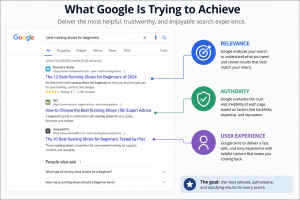
Image: AI-generated photo of Google search ranking factors (relevance, authority, and user experience)
Behind the Scenes: How Google Finds and Ranks Websites
Now, Google doesn’t actually do an instant search of the entire internet in real time. It is actually pulling its results from an enormous database it has already found and stored as possible results. In other words, Google isn’t searching the internet, like you are; it’s searching its own organized library of web pages. This process of storing search results has three steps: crawling, indexing, and ranking. Understanding how these steps work will help you determine why your website is harder to find in search results than others.
- Crawling
Google uses programs often called bots or spiders to explore the internet. The bots move through pages using links to discover new content. If a website or page has strong links to other sites, it will often help bots find it more quickly.
- Indexing
After discovery, search engines analyze the page’s content, such as the text, media, and keywords, and then store it in their database. Google intentionally filters out poor-quality or duplicate content to ensure it meets the system’s usefulness and relevance goals. This means not every page it finds will be “saved” into the database.
- Ranking
When a user searches, the search engine will sort through its index and determine which pages should appear first. Some factors the ranking decisions are based on are how relevant the content is, how useful the page is, and how trustworthy the website appears to be. Remember, their goal is to deliver the best quality and fastest results.
Why This Matters for Marketers and Businesses
Understanding how search engines work is a must for anyone trying to build an online presence. Websites that are consistently appearing on the first page of results receive significantly more traffic than those that don’t. Most users never go beyond that first page when looking for answers.
Through aligning with what search engines are looking for in clear content and a strong structure, you can create websites that are easier for Google and other search engines to crawl and index.
Ultimately, this knowledge can lead you to greater visibility, increased website traffic, and more opportunities for conversions.
Conclusion: Understanding Google Gives You an Advantage
By knowing how search engines work makes it much easier to see why some websites consistently rank higher than others. While SEO may seem complex at first, breaking it down step by step, like crawling, indexing, and ranking, makes it more manageable. With this foundation, you can now create content that not only reaches users but is also optimized to meet the expectations of search engines.
Image: AI-generated photo of Google search ranking factors (relevance, authority, and user experience)
Leave a Reply